

Recycling & Resource Recovery
Assess sorting and recovery routes for reusable and recyclable materials.
What is included
- Material assessment
- Contamination and separation review
Is this relevant to my facility?
Recovery planning considers material composition, contamination, volume, storage and suitable receiving routes before any outcome is reported.
Who needs it
- Industrial facilities
- Commercial facilities
- Construction projects
- Warehousing and logistics
What is included
- Material assessment
- Contamination and separation review
- Recovery-route evaluation
- Measurement and reporting plan
How does it work?
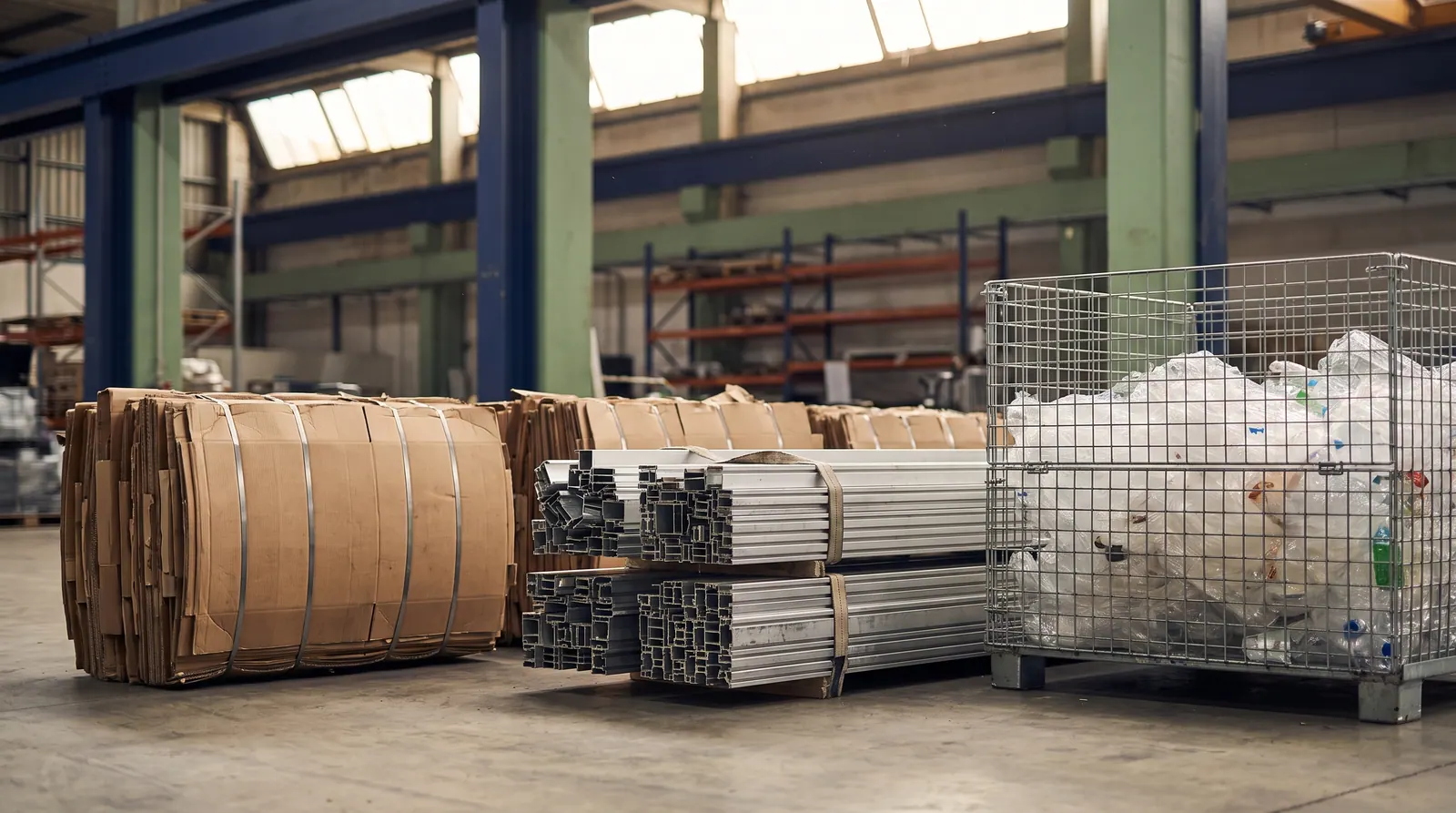
Characterize the streams, assess separation requirements, confirm receiving criteria and agree how quantities will be recorded.
- Characterize streams: Review composition, quantities and contamination condition.
- Review suitability: Assess quality and separation requirements.
- Check receiving routes: Confirm applicable receiving criteria and options.
- Agree measurement: Define how quantities and outcomes will be recorded.
Expected deliverables
- Material-stream assessment
- Sorting recommendations
- Proposed recovery routes
- Agreed measurement method
What information is needed?
- Material composition
- Contamination condition
- Estimated quantities
- Storage and handling constraints
Questions to consider
What information is needed to scope recycling and resource recovery?
Facility location, material types, estimated quantities, current handling arrangements, frequency and required timeline provide a practical starting point.
Are outcomes or approvals guaranteed?
No. The scope, recovery route and documentation depend on verified inputs, receiving options and decisions by the relevant independent parties.
Discuss your facility requirements
Share the facility, material streams and intended outcome so the appropriate scope can be reviewed.