

Resource-conservation method
Planning for Resource Conservation
Explore practical ways to reduce material waste and improve resource use. Any reported impact needs a defined baseline, measurement method and review.
A practical material flow
The most suitable route depends on the material, its condition, available separation and receiving criteria. Recovery is proposed only after that review.
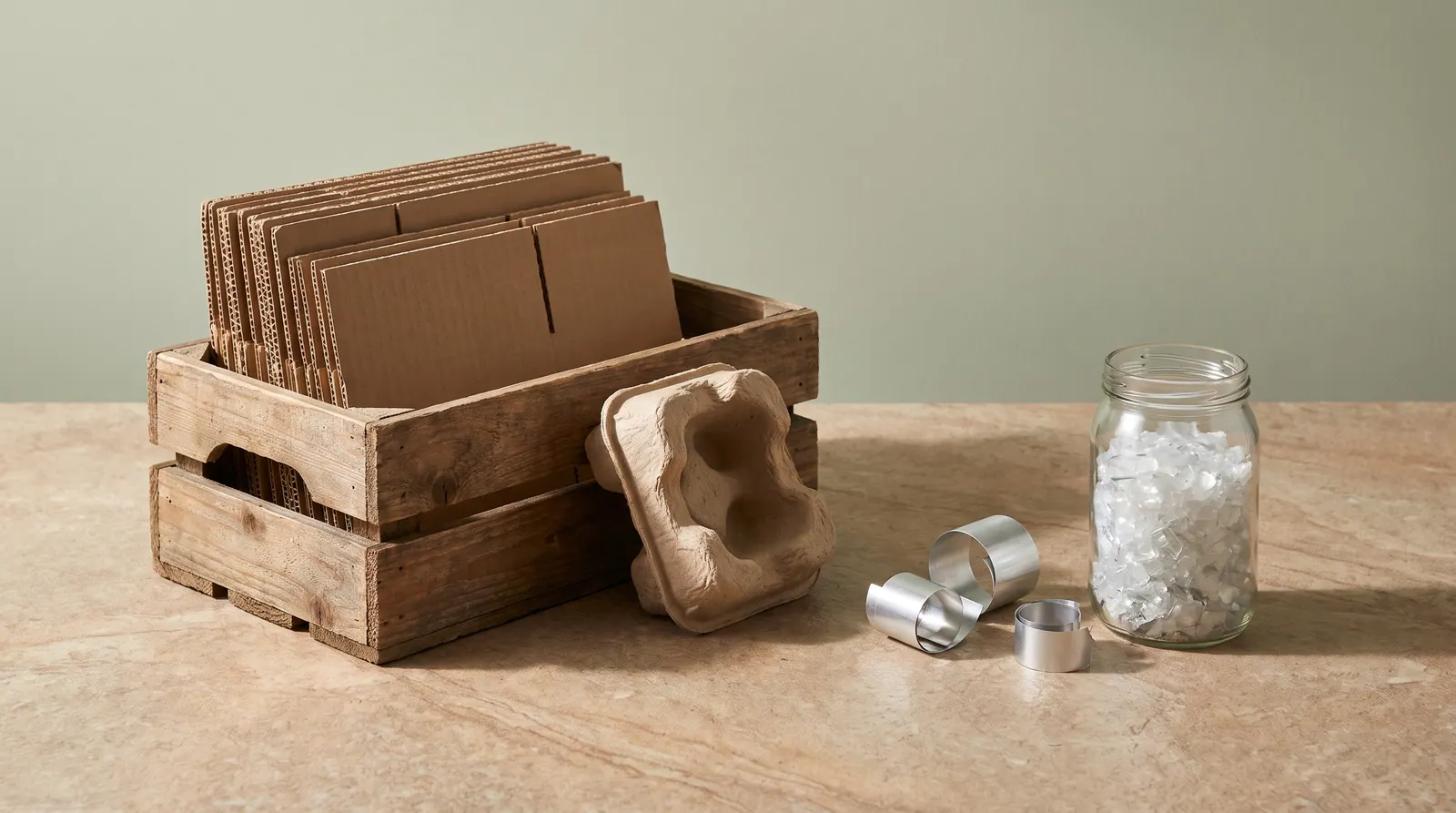
- 01
Prevent and reuse
Look first for practical ways to avoid material waste or retain useful items in service.
- 02
Segregate at source
Separate defined material streams where they arise to improve handling and preserve their condition.
- 03
Review recovery routes
Assess material suitability, quality and receiving requirements before proposing recycling or recovery.
- 04
Handle residuals
Identify materials outside the proposed recovery route and document handling only where included in scope.
Define the baseline before reporting results
A useful environmental result needs a clear boundary, consistent records and a reviewable calculation—not an assumed percentage.
- 01
Boundary
Agree the facility area, material streams and reporting period.
- 02
Categories
Define material names, units, condition and inclusion rules.
- 03
Source records
Use agreed collection, weight, transfer or receiving records.
- 04
Review
Reconcile the records and explain assumptions before reporting.
Start with facility and material information
Service availability, handling routes, permits, specialist requirements and deliverables are confirmed for each facility and waste stream before work begins.